

Conyers Electronics Recycling Services
Choose us for hassle-free electronics recycling—protect the environment, ensure data security, and support sustainable practices with every device you recycle.
Get a Free QuoteOur Conyers Junk Removal Services
Electronics Recycling in Conyers, GA – Local Service Guide
Electronics recycling in Conyers, GA is essential for keeping neighborhoods like Olde Town, Irwin Bridge, and Honey Creek clean and compliant with local regulations. Residents often need to recycle electronics during spring cleanouts, after upgrades, or when moving. In Conyers, seasonal storms and property renovations can prompt the need for safe disposal of TVs, computers, and small appliances. For residential items, options include city-sponsored drop-off events, local recycling centers, or donation to area nonprofits. Commercial properties in the Salem Gate and Sigman Road corridors face unique challenges, such as managing large volumes of outdated office equipment or ensuring secure data destruction for medical and retail sectors. Specialty projects—like estate cleanouts or construction debris removal—require careful planning, especially for large or hazardous electronics. Always check Conyers Public Works & Transportation for current guidelines and local recycling resources.
Key Considerations for Electronics Recycling in Conyers
- Timing: Plan around city collection events and seasonal cleanouts
- Permits: Some items or volumes may require advance approval
- Disposal Channels: Use certified recyclers or city-approved drop-off sites
- Access: Consider driveway size, weather, and property layout
- Volume: Bulk pickups may need special scheduling
- Coordination: Commercial and specialty projects often require advance notice
Benefits of Electronics Recycling in Conyers
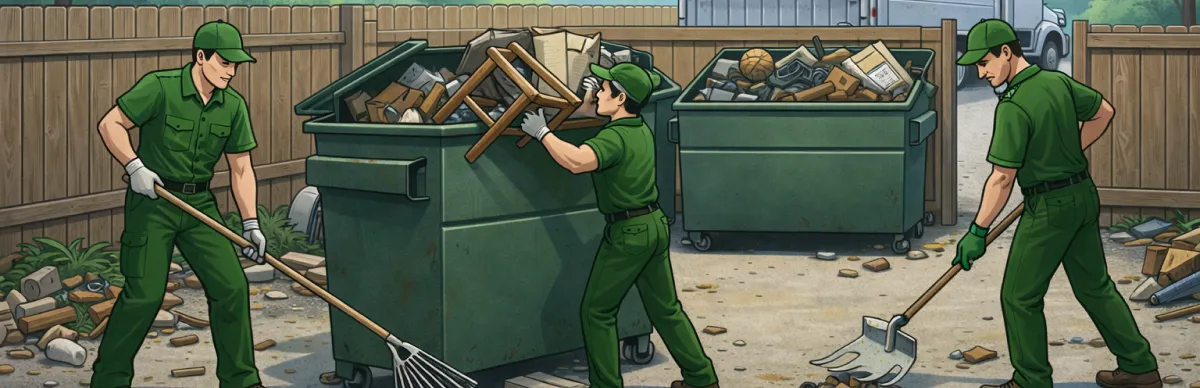
Eco-Friendly Disposal Solutions
Secure Data Destruction
Compliance With Local Regulations
Convenient Pickup Services
Certified Recycling Processes
Support for Community Sustainability
Coordinating Electronics Recycling with Conyers Public Works and Solid Waste Services
Conyers residents seeking to dispose of outdated or broken electronics must coordinate with the city's municipal waste infrastructure to ensure proper handling. Electronic devices such as computers, televisions, monitors, printers, and peripherals contain hazardous components including lead, mercury, cadmium, and brominated flame retardants that require specialized processing. Standard curbside trash collection does not accept e-waste, and placing electronics in regular waste bins may result in code enforcement action.
Key steps for Conyers residents include:
- Separate all electronics from household trash before collection day
- Contact Public Works to confirm accepted e-waste items and current drop-off procedures
- Retain proof of disposal for any electronics containing personal data or business records
- Never place CRT monitors or televisions in curbside bins due to lead content
- Check for seasonal collection events hosted by Rockdale County for household hazardous waste and electronics
Conyers Public Works & Transportation
1194 Scott Street, Conyers, GA 30012
Phone: (770) 929-4000
Official Website: Conyers Public Works & Transportation
Residents should verify current schedules and accepted items directly with the department, as program availability and accepted device categories may change periodically.
Georgia's Environmental Regulations Governing E-Waste Disposal and Landfill Restrictions
Georgia does not currently enforce a comprehensive statewide e-waste landfill ban or Extended Producer Responsibility (EPR) program for electronics. However, the Georgia Environmental Protection Division (GA EPD) administers solid waste management regulations under the Georgia Comprehensive Solid Waste Management Act (O.C.G.A. § 12-8-20 et seq.) that govern how electronic materials must be handled, transported, and processed. Improper disposal of electronics containing hazardous substances may trigger enforcement under both state solid waste rules and federal hazardous waste provisions.
Important regulatory considerations include:
- Cathode ray tubes (CRTs) contain approximately 4–8 pounds of lead per unit and may be classified as hazardous waste if improperly managed
- Lithium-ion batteries found in laptops, tablets, and phones pose fire risks in landfills and waste trucks
- Mercury switches and backlighting in older flat-panel displays require hazardous material handling
- Circuit boards contain recoverable precious metals (gold, silver, palladium) alongside toxic heavy metals
- The Resource Conservation and Recovery Act (RCRA) establishes federal baseline requirements for hazardous electronic component disposal
Conyers residents and businesses should treat all electronics as requiring specialized recycling rather than standard landfill disposal, regardless of the absence of a state-level ban.
Data Security and Hard Drive Destruction Requirements for Conyers Electronics Disposal
Proper electronics recycling in Conyers extends beyond environmental compliance to include data security obligations. Computers, smartphones, external drives, and network equipment contain sensitive personal and financial information that must be permanently destroyed before or during the recycling process. Federal regulations including the Fair and Accurate Credit Transactions Act (FACTA) and the Health Insurance Portability and Accountability Act (HIPAA) impose data destruction requirements on businesses disposing of electronic storage devices.
Residents and businesses should follow these data security protocols:
- Perform a factory reset on all smartphones and tablets before surrendering devices for recycling
- Use certified data wiping software (meeting NIST 800-88 standards) on hard drives and solid-state drives
- Request certificates of destruction from any electronics recycler handling business or medical equipment
- Remove SIM cards and external storage media (SD cards, USB drives) from devices prior to drop-off
- Physically destroy hard drives containing highly sensitive data using drilling, shredding, or degaussing methods
Conyers businesses handling protected health information or financial records face potential penalties for improper data disposal. Coordination with certified e-waste recyclers who provide documented chain-of-custody tracking is strongly recommended.
Conyers Code Enforcement and Proper E-Waste Storage on Residential Properties
Conyers Code Enforcement officers monitor properties for improper storage and accumulation of discarded electronics. Stockpiling old televisions, computer monitors, or other electronic equipment on porches, in yards, or along curbs may constitute a code violation subject to citation and fines. The city's property maintenance standards require that all waste materials, including electronics, be stored in enclosed areas or removed promptly.
Residents should be aware of the following compliance requirements:
- Do not place electronics curbside outside of designated collection periods or scheduled pickup windows
- Store e-waste indoors (garage, basement, or enclosed shed) until a recycling event or drop-off opportunity is available
- Avoid accumulating large quantities of electronics on residential property, as this may trigger nuisance complaints
- Broken CRT monitors and televisions must be handled carefully to prevent glass breakage and lead dust exposure
- Commercial properties generating e-waste must maintain proper waste storage areas per Conyers Planning & Inspection Services requirements
Conyers Code Enforcement
1194 Scott Street, Conyers, GA 30012
Phone: (770) 929-4000
Official Website: Conyers Code Enforcement
Violations related to improper e-waste storage may result in notices of violation with specified correction deadlines.
Stormwater Protection and Environmental Safeguards for Electronics Disposal in Conyers
Improperly discarded electronics pose direct risks to Conyers's stormwater infrastructure and local waterways. Heavy metals and toxic compounds leaching from circuit boards, batteries, and display screens can contaminate stormwater runoff, violating both municipal and federal Clean Water Act requirements. The city's Stormwater Services department actively monitors for illegal dumping that may affect drainage systems and water quality.
Environmental safeguards for electronics disposal include:
- Never discard electronics in outdoor trash receptacles exposed to rain, which can cause leachate contamination
- Lithium batteries must be removed from devices and recycled separately to prevent fire and chemical release
- Broken screens and CRT glass should be contained in sealed bags or boxes to prevent fragment dispersal
- Toner and ink cartridges from printers contain carbon black and volatile organic compounds requiring proper recycling
- Conyers stormwater regulations prohibit any waste discharge into storm drains, ditches, or waterways
Conyers Stormwater Services
1194 Scott Street, Conyers, GA 30012
Phone: (770) 929-4000
Official Website: Conyers Stormwater Services
Illegal dumping of electronics near creeks, drainage channels, or in wooded areas within city limits is subject to enforcement action and potential fines under both city ordinances and EPA Region 4 oversight.
What Neighborhoods Do We Serve Throughout Conyers, GA?
- Olde Town Conyers: The historic downtown district features older commercial and residential structures where office electronics upgrades frequently generate e-waste. Narrow streetscapes and on-street parking may require advance coordination for pickup vehicle access near Main Street businesses.
- Fieldstone Estates: This established single-family residential community regularly produces household electronics for recycling during home renovations and technology upgrades. Wide residential streets and driveway access facilitate straightforward pickup logistics.
- Pine Log Run: A suburban neighborhood with a mix of single-family homes where residents commonly accumulate outdated computers, televisions, and gaming consoles. Cul-de-sac layouts may require advance route planning for collection vehicles.
- Honey Creek: Residential properties in this area often include home offices generating business-grade electronics waste including printers, monitors, and networking equipment. Standard residential street widths accommodate most collection vehicles without difficulty.
- Magnet Village: Located near commercial corridors, this area sees both residential and small-business e-waste generation. Proximity to major roadways provides efficient access for electronics recycling collection routes.
- Rockdale County Industrial Corridor: Businesses along industrial zones adjacent to Conyers generate significant volumes of commercial electronics including servers, point-of-sale systems, and telecommunications equipment requiring certified data destruction and bulk recycling coordination.