
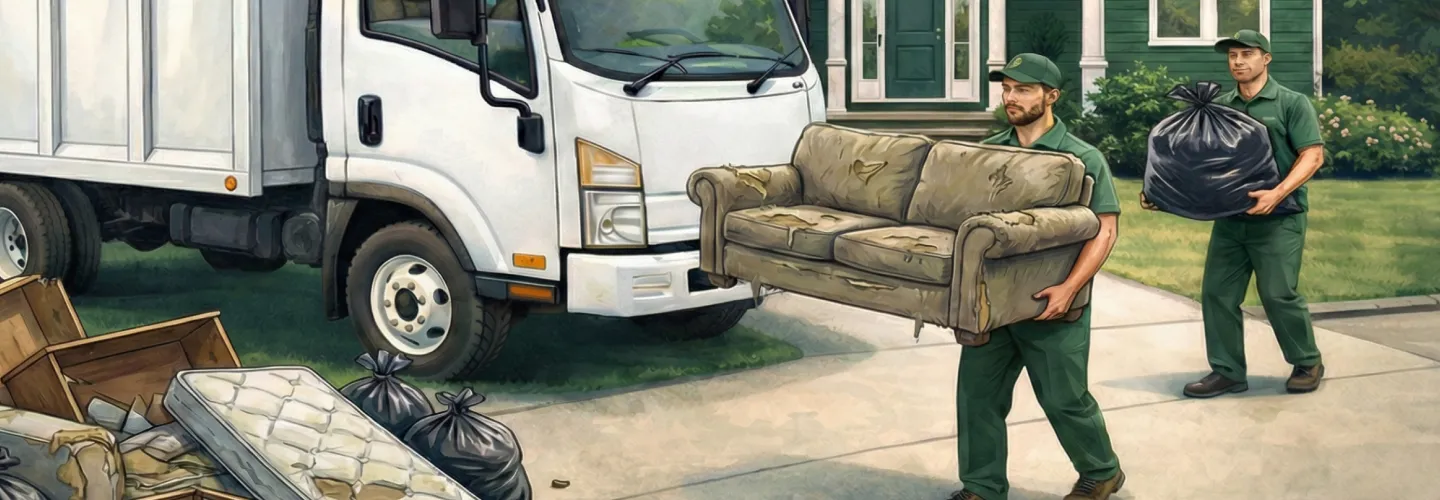
Conyers Construction Debris Removal Services
Choose our construction debris removal for fast, reliable, and eco-friendly service that keeps your site safe, compliant, and ready for the next phase.
Get a Free QuoteOur Conyers Junk Removal Services
Construction Debris Removal in Conyers, GA – Local Service Guide
Construction debris removal in Conyers, GA is essential for keeping homes, businesses, and neighborhoods clean and safe. In residential areas like Honey Creek and Irwin Bridge, debris often accumulates during home renovations, appliance upgrades, or seasonal cleanouts. Residents may need to dispose of old furniture, mattresses, or scrap metal after spring cleaning or storm damage, with options to donate, recycle, or schedule city-approved pickups. For spaces such as garages, basements, or yards, local weather and tree coverage can impact the timing and frequency of debris removal, especially after heavy rains or during fall leaf cycles. Commercial properties in areas like Olde Town Conyers and along Highway 138 face unique challenges, from retail renovations to restaurant upgrades, requiring timely, discreet, and often large-scale debris management. Specialty services—such as dumpster rentals for construction sites, estate cleanouts, or foreclosure properties—demand careful planning and coordination, particularly in neighborhoods with limited access or strict HOA guidelines. For more on local regulations and disposal options, visit the Conyers Public Works & Transportation page.
Key Considerations for Construction Debris Removal in Conyers
- Timing projects around local weather and seasonal events
- Securing necessary permits for large-scale removals
- Using approved disposal and recycling channels
- Ensuring access for trucks and equipment in tight neighborhoods
- Estimating debris volume for proper container sizing
- Coordinating with city schedules and HOA requirements
Benefits of Construction Debris Removal in Conyers
Fast and Reliable Cleanup
Safe Job Site Practices
Eco-Friendly Disposal Solutions
Cost-Effective Debris Removal
Experienced Local Professionals
Flexible Scheduling Options
Coordinating Construction Debris Removal with Conyers Public Works and Transportation
Construction and demolition (C&D) debris generated from renovation, remodeling, or demolition projects in Conyers requires coordination with the appropriate municipal departments. The City of Conyers Public Works and Transportation division oversees infrastructure services including sanitation support and stormwater management, both of which intersect with construction waste handling. Property owners and contractors should be aware of the following requirements before initiating debris removal:
- Material classification: C&D debris includes lumber, drywall, roofing shingles, concrete, brick, metal framing, plumbing fixtures, and flooring materials
- Separation requirements: Mixed loads containing household garbage and construction debris may be refused at disposal facilities
- Scheduling: Coordinate removal activities to avoid conflicts with regular municipal sanitation collection routes
- Stormwater compliance: Debris must not obstruct drainage systems or stormwater infrastructure during staging or removal
Contractors operating within city limits should confirm hauling and disposal procedures through the appropriate municipal channels before beginning work.
Conyers Public Works & Transportation
1194 Center Street NE, Conyers, GA 30012
Phone: (770) 929-4000
Official Website: Conyers Public Works & Transportation
Building Permits and Code Enforcement for Conyers Demolition Debris Projects
Any construction, renovation, or demolition project generating debris in Conyers must comply with the city's permitting and code enforcement requirements. The Conyers Planning & Inspection Services department administers building permits, development review, and code compliance for all construction-related activities. Failure to obtain proper permits before generating demolition debris can result in code violations and project delays. Key compliance considerations include:
- Building permits: Required for structural demolition, major renovations, and additions that produce significant debris volumes
- Code enforcement inspections: Conyers Code Enforcement investigates property violations including improper debris storage and unauthorized dumping on residential or commercial lots
- Tree ordinance compliance: Projects involving tree removal alongside construction debris must adhere to the Conyers Tree Ordinance, which regulates tree preservation and removal standards
- Site cleanliness: Construction sites must maintain debris containment to prevent material from migrating onto adjacent properties or public rights-of-way
- Debris staging: Materials awaiting removal should not be stored in a manner that creates safety hazards or obstructs pedestrian and vehicular access
Conyers Planning & Inspection Services
1194 Center Street NE, Conyers, GA 30012
Phone: (770) 929-4000
Official Website: Conyers Planning & Inspection Services
Georgia Solid Waste Management Requirements for Construction and Demolition Materials
Construction debris disposal in Conyers is governed not only by municipal ordinances but also by state-level regulations administered by the Georgia Environmental Protection Division (GA EPD). The Georgia Comprehensive Solid Waste Management Act establishes the regulatory framework for how C&D materials must be handled, transported, and disposed of across the state. Contractors and property owners should understand the following state requirements:
- Permitted disposal facilities: C&D debris must be taken to facilities holding valid solid waste handling permits issued by GA EPD; illegal dumping carries significant penalties under Georgia law
- Asbestos-containing materials: Pre-1980 structures may contain asbestos in insulation, floor tiles, or roofing materials; Georgia requires licensed abatement contractors for removal, and friable asbestos must be handled per EPA regulations under NESHAP
- Lead paint: Structures built before 1978 may contain lead-based paint; the EPA Renovation, Repair, and Painting Rule mandates lead-safe work practices and certified renovator oversight
- Hazardous waste exclusion: Paints, solvents, adhesives, and chemical products found during demolition are classified as hazardous waste and must be separated from C&D debris for proper disposal through authorized hazardous waste facilities
Georgia Environmental Protection Division
2 Martin Luther King Jr. Drive SE, Suite 1456 East, Atlanta, GA 30334
Phone: (404) 656-4713
Official Website: Georgia Environmental Protection Division
Stormwater Protection and Erosion Control During Conyers Construction Debris Removal
Construction debris removal activities in Conyers must account for stormwater management and environmental protection requirements. The Conyers Stormwater Services department enforces drainage system maintenance, erosion control, and water quality protection standards that directly affect how debris is staged, loaded, and transported from job sites. Noncompliance can result in sediment discharge into local waterways and municipal storm drains. Essential stormwater protection measures during debris removal include:
- Sediment barriers: Install silt fencing or erosion control blankets around debris staging areas to prevent soil and particulate runoff during rain events
- Storm drain protection: Cover or block nearby storm drain inlets when loading loose materials such as gravel, dirt, broken concrete, or roofing granules
- Dust suppression: Apply water to dry debris piles and unpaved loading areas to minimize airborne particulate matter
- Vehicle tracking: Use stabilized construction entrances or tire wash stations to prevent mud and debris from being tracked onto public roadways
- Spill prevention: Contain and clean up any hydraulic fluid, fuel, or lubricant spills from heavy equipment used during debris loading operations
Conyers Stormwater Services
1194 Center Street NE, Conyers, GA 30012
Phone: (770) 929-4000
Official Website: Conyers Stormwater Services
Recycling and Material Recovery Options for Conyers Construction Debris
Diverting reusable and recyclable materials from landfills is an important component of responsible construction debris management in Conyers. Georgia does not currently mandate specific C&D waste diversion rates, but the GA EPD Solid Waste Management Program encourages recycling of recoverable construction materials. Rockdale County and the greater metro Atlanta area offer several options for material recovery. Commonly recyclable C&D materials include:
- Concrete and masonry: Can be crushed and reused as aggregate for road base, fill material, or new concrete production at licensed C&D recycling facilities
- Scrap metal: Steel framing, copper wiring, aluminum flashing, and plumbing fixtures have resale value at scrap metal recycling yards
- Clean wood: Untreated dimensional lumber and pallets may be accepted for mulch production or biomass energy; treated or painted wood typically requires landfill disposal
- Asphalt shingles: Some regional facilities accept old roofing shingles for recycling into road paving material
- Cardboard and packaging: Packaging materials from new construction supplies should be separated and recycled through standard recycling channels
- Appliances: Any appliances removed during renovation require refrigerant recovery per EPA Section 608 regulations before disposal or recycling
Contractors should separate materials on-site whenever feasible to maximize diversion and reduce disposal costs at permitted landfills.
What Neighborhoods Do We Serve Throughout Conyers, GA?
- Olde Town Conyers: The historic downtown core features older commercial and residential structures, many dating to the early twentieth century. Renovation and demolition projects here may require additional review through the Conyers Downtown Development Authority, and narrow streetscapes can limit truck access for debris hauling.
- Honey Creek: This established residential area includes single-family homes with mature tree canopy. Construction debris removal may require coordination with tree preservation requirements under the city's tree ordinance, and cul-de-sac layouts can restrict turning radius for larger hauling vehicles.
- Pine Log: A mix of residential subdivisions and commercial properties along major corridors. Wider road access generally accommodates debris removal trucks, though active commercial traffic requires careful scheduling to minimize disruption.
- Milstead: Located near the southern portions of the city, this area includes older residential properties where renovation projects may encounter lead paint or asbestos-containing materials requiring specialized handling before standard debris removal.
- Lakeview Estates: A suburban residential community with standard driveway access and moderate lot sizes. Typical construction debris from home additions, roof replacements, and kitchen remodels is common; staging debris on driveways rather than public rights-of-way is generally required.
- Sigman Road Corridor: This commercial and mixed-use area sees frequent tenant improvement and buildout projects generating drywall, metal studs, and flooring debris. Commercial property managers should coordinate debris removal schedules with lease requirements and city code enforcement standards.